Games, Korean Sound Beyond the Screen
CULTURE
Game is no longer just something we play on a screen. It is where stories are made, music is composed, worlds and characters are shaped, and culture grows through the people who play, share and gather around it. On 11 October, K-Music Festival 2026: Korean Games in Concert at the Purcell Room, Southbank Centre, brings that wider world into focus through music.

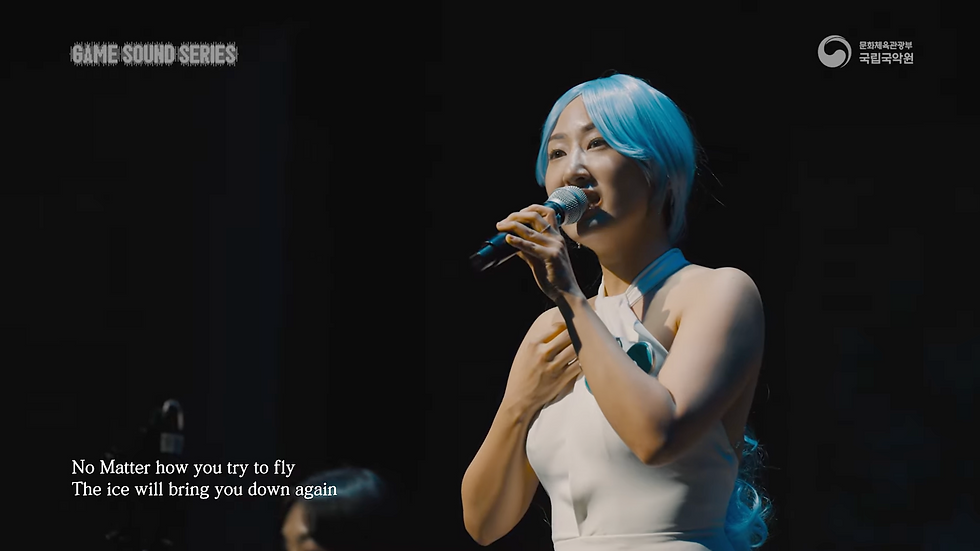
At this concert, soundtrack themes from Korean games such as Black Desert and Lies of P are reimagined by the National Gugak Center Orchestra. Traditional Korean instruments, orchestral depth and visuals inspired by Seoul and Gyeongbokgung Palace turn game music into something you do not just hear through headphones, but experience in a shared live space.
Why Game Soundtracks Matter
lies of P Solo
Album Jackets; Game Sound Series © National Gugak Centre
South Korea’s games industry has grown alongside fast internet, PC bang culture, mobile technology and eSports. One of its defining strengths is live service: the ability to keep a game evolving through updates, seasons, events and new characters, so it becomes a living platform rather than a product that ends at purchase.
According to the Korea Creative Content Agency’s Game Industry White Paper, South Korea’s domestic games revenue in 2024 reached about 23.8515 trillion won, with mobile games accounting for 59.0 per cent, PC games 25.2 per cent and console games 5.0 per cent. In the same year, games exports were worth around 8.5 billion dollars, making games the largest export category within Korean content.
But Korean games are no longer limited to mobile MMORPGs or competitive online titles. Works such as Lies of P, made with single-player and console/PC audiences in mind, and Black Desert, which expands its world through art and music as much as gameplay, show how broad the field has become. Korean game culture is now growing beyond domestic taste and into something shaped by different regions, play habits and cultural expectations.
Building a Culture That Lasts
If games are to remain part of culture rather than something quickly consumed and forgotten, we need to preserve the people, music, imagery, technology and player experience behind them. That means asking how soundtrack, artwork, translation, voice acting and development stories can be kept alive, and how exhibitions and performances might help more people encounter game worlds beyond the act of playing.
It also means recognising the work of independent developers, composers, illustrators, moderators and communities, while imagining collaborations between Korean and UK creators that go beyond one-off events into residencies, co-production and education. A sustainable play culture also has to respect players’ time, health, accessibility and privacy.
When a game’s music returns in concert, when its costumes and architecture become material for design research, and when player memory leads into new forms of creation, games become cultural assets that keep unfolding over time.

Where the UK Meets Korea
The UK is a place where game development, cultural criticism and live music sit very close together. London has game studios and major publishers, but also audiences who enjoy soundtracks in concert halls and festivals, plus museums and educational institutions that look at games through artistic and social lenses. For Korean games to meet British audiences is not simply a matter of export or visibility; it is a form of cultural exchange that introduces the creative ecosystem around games and invites new audiences into it.
This London performance shows that potential clearly. It gives British audiences Korean game music in live orchestral form, while also offering another way into Korean sound through gugak, the country’s traditional music language. For existing players, it is a chance to encounter a familiar world in a new register; for newcomers, it becomes an entry point into Korean storytelling, sound and visual imagination.

The National Gugak Center
The National Gugak Center is South Korea’s national institution for traditional music. It preserves and researches gugak, presents it through performance and education, and keeps it in dialogue with contemporary audiences. Alongside court and folk repertoires, it supports new composition, international exchange, instrument research and workshops that explore the present and future of gugak.
To keep tradition from being fixed as something only from the past, the Center has recently presented its Game Sound Series, arranging game music from titles such as Lies of P, Black Desert, MapleStory, PUBG: BATTLEGROUNDS and League of Legends into gugak forms. The project introduces gugak to younger listeners and game audiences, while also offering composers and performers a new creative language.

In the London concert, traditional instruments are not decorative effects. The breath, vibration and rhythm of the daegeum, haegeum, gayageum and janggu add new texture and narrative depth to game music. For British audiences unfamiliar with gugak, they also create an immediate encounter with traditional sound. This is less about one side consuming the other, and more about expanding each other’s expressive possibilities.
A New Movement at Southbank
K-Music Festival 2026: Korean Games in Concert brings the game off the screen and into the concert hall. By reinterpreting Korean game music through gugak orchestra, it creates a moment where digital technology, traditional art, popular culture and performance meet and shape one another.[kccuk]
The experience at Southbank Centre on 11 October offers one starting point for understanding Korean games today. What matters is not only which title sold the most, but what kind of music, story, people and memory it leaves behind — and how those memories might travel between Korea and the UK as something new.
Korean classical musicians’ global reputation is an important sign of Korea’s musical strength. But Korean culture does not stop at the concert hall. When we look from classical music to gugak, then to game music, hip-hop and indie rock, we begin to see a wider landscape. Film, food, craft, design and local everyday life all become more vivid when experienced together.
So perhaps this festival is an invitation to move beyond familiar names and discover the many layers of Korean culture at a slower pace.

K-Music Festival 2026
K-Music Festival 2026 runs from 28 September to 23 November across venues in London, presenting the broad spectrum of Korean music, from gugak and folk traditions to hip-hop, indie rock, jazz, post-rock and game music.
Date | Title | Location | Musical characteristics |
28th Sep | ADG7 · Chang Kiha · Lil Cherry & GOLDBUUDA | EartH Theatre | Folk music, indie rock, hip-hop |
3rd Oct | Wind Alone, Sand Alone – Make No Sound | Stone Nest | Korean traditional music, ambient, improvised music |
11th Oct | Korean Games in Concert | Purcell Room, Southbank Centre | Game music, traditional Korean music |
17th Oct | Chudahye Chagis | Rich Mix | Shaman music, punk, rock, jazz, hip-hop |
29th Oct | Kyungso Park + Björn Meyer | Elgar Room, Royal Albert Hall | Gayageum, electric bass, improvised music |
11th Nov | Dongyang Gozupa | Rich Mix | Post-rock, traditional rhythm |
23rd Nov | Jisu Jung & Baroque in Blue | Upstairs at Ronnie’s | Jazz, Baroque, modern arrangement |
Official dates and ticket information are available on the K-Music Festival 2026 programme.
Editor W.
KOREAN
게임, 화면 밖으로 흐르는 한국의 음악
이야기를 만들고, 음악을 작곡하고, 세계관과 캐릭터를 설계하며, 플레이어와 커뮤니티가 함께 문화를 만들어가는 종합예술. 게임은 이제 단순한 디지털 오락을 넘어 하나의 문화가 되고 있습니다. 오는 10월 11일 런던 사우스뱅크센터의 퍼셀룸에서 열리는 〈K-Music Festival 2026: Korean Games in Concert〉는 이러한 한국 게임문화의 확장성을 음악으로 보여주는 자리입니다. 한국 게임음악을 국악관현악으로 다시 해석하는 이 공연은 이미 여러 매체의 관심을 받고 있습니다.
이번 공연에서는 〈Black Desert〉와 〈Lies of P〉 등 한국 게임의 주요 사운드트랙이 국악관현악으로 새롭게 편곡됩니다. 한국 전통 악기의 음색과 오케스트라의 풍부한 질감, 서울과 경복궁에서 영감을 받은 영상 이미지가 함께 어우러지며, 헤드폰과 모니터 안에 머물던 게임음악이 공연장의 시간과 공간 속에서 새롭게 해석됩니다.
왜 게임 사운드트랙인가?
한국 게임산업은 빠른 인터넷 환경, PC방 문화, 모바일 기술, e스포츠와 함께 성장해 왔습니다. 특히 인터넷망을 통해 지속적으로 업데이트하며 플레이어와 장기간 관계를 맺는 라이브 서비스 역량은 한국 게임의 중요한 특징 중 하나입니다. 한국의 게임은 완성된 상품을 한 번 구매하는 데서 끝나지 않고, 새로운 시즌과 이벤트, 캐릭터와 스토리가 이어지는 살아 있는 플랫폼으로 확장됩니다.
한국콘텐츠진흥원의 게임산업 백서에 따르면 2024년 한국 게임산업의 국내 매출은 약 23조8,515억 원으로 집계됐으며, 모바일 게임이 59.0%, PC 게임이 25.2%, 콘솔 게임이 5.0%를 차지했습니다. 같은 해 게임 수출액은 약 85억 달러로, 한국 콘텐츠 수출에서 가장 큰 비중을 차지했습니다.
하지만 한국 게임을 모바일 MMORPG나 경쟁 중심의 온라인게임으로만 이해하기에는, 지금의 풍경이 훨씬 넓어졌습니다. 〈Lies of P〉처럼 싱글 플레이와 콘솔·PC 시장을 겨냥한 작품, 〈Black Desert〉처럼 세계관과 미술, 음악을 함께 확장하는 작품이 등장하면서 한국 게임의 장르와 플랫폼은 점점 다양해지고 있습니다. 이는 한국 게임산업이 국내 이용자의 취향을 넘어, 각 지역의 플레이 방식과 문화적 기대를 고려하는 방향으로 진화하고 있다는 뜻이기도 합니다.
소비를 넘어 지속되는 게임문화로
새로운 게임이 출시될 때마다 빠르게 소비되고 사라지는 구조에서 벗어나려면, 게임을 만든 사람과 음악, 이미지, 기술, 플레이어의 경험을 함께 기록하고 다시 해석할 수 있는 문화적 기반이 필요합니다. 게임이 오래 지속되는 문화로 남기 위해서는 몇 가지 질문을 던져볼 수 있습니다.
• 게임음악과 아트워크, 번역, 성우, 개발자의 이야기를 어떻게 보존할 것인가.
• 게임을 하지 않는 사람도 세계관과 사운드, 시각적 언어를 경험할 수 있는 전시와 공연을 어떻게 만들 것인가.
• 대형 스튜디오뿐 아니라 독립 개발자, 작곡가, 일러스트레이터, 모더레이터와 커뮤니티의 노동을 어떻게 인정할 것인가.
• 한국과 영국의 창작자들이 일회성 행사를 넘어 공동 제작, 레지던시, 교육 프로그램으로 어떻게 연결될 수 있을까.
• 이용자의 시간과 건강, 접근성, 개인정보를 존중하면서도 지속 가능한 플레이 환경을 어떻게 만들 수 있을까.
이런 질문들을 통해 게임은 판매량이나 동시접속자 수만으로 평가할 수 없는 문화가 됩니다. 한 작품의 음악이 콘서트에서 다시 연주되고, 게임 속 의상과 건축이 디자인 연구의 대상이 되며, 플레이어의 기억이 다음 창작으로 이어질 때 그때 게임은 일시적인 콘텐츠를 넘어, 다음 창작과 기억으로 이어지는 문화적 자산이 됩니다.
영국과 만나는 지점
영국은 게임 개발과 문화 비평, 음악 공연이 긴밀하게 연결된 곳입니다. 런던에는 게임 스튜디오와 세계적인 퍼블리셔뿐 아니라, 사운드트랙을 공연장과 페스티벌에서 감상하는 관객층, 게임을 예술과 사회문화의 맥락에서 바라보는 박물관과 교육기관이 함께 존재합니다. 한국 게임이 영국에서 새로운 관객을 만나는 일은 단순한 수출이나 인지도 확대를 넘어섭니다. 게임을 둘러싼 창작 생태계를 소개하고, 새로운 관객을 그 안으로 초대하는 문화적 교류이기 때문입니다.
이번 런던 공연은 그 가능성을 잘 보여줍니다. 한국 게임의 음악을 영국 관객에게 들려주는 동시에, 국악이라는 한국의 전통 음악 언어를 통해 게임속에서의 듣던 사운드의 또 다른 면을 경험하게 하기 때문입니다. 익숙한 게임 이용자에게는 자신이 좋아하던 세계를 새로운 방식으로 만나는 기회가 되고, 게임을 잘 모르는 관객에게는 한국의 서사와 음향, 시각적 상상력으로 들어가는 입구가 될 수 있죠.
국립국악원, 전통의 다음 장면
이번 런던 공연을 맡은 국립국악원(The National Gugak Center)은 한국 전통음악인 국악을 보존하고 연구하며, 연주와 교육을 통해 동시대 관객에게 소개하는 국가 기관입니다. 궁중음악과 민속음악을 비롯한 전통 레퍼토리를 계승하는 한편, 새로운 창작음악과 국제 교류, 악기 연구와 워크숍을 통해 국악의 현재와 미래를 함께 모색하고 있습니다.
전통을 과거의 유산으로 고정하지 않기 위해서 국립국악원은 최근 〈Lies of P〉, 〈Black Desert〉, 〈MapleStory〉, 〈PUBG: BATTLEGROUNDS〉, 〈League of Legends〉 등 다양한 게임음악을 국악으로 편곡하는 ‘Game Sound Series’를 선보이고 있습니다. 젊은 세대와 게임 이용자에게 국악을 소개하는 동시에, 국악 연주자와 작곡가에게 새로운 창작 언어를 제안하는 시도입니다.
런던 공연에서 선보이는 전통 악기는 장식적인 효과에 머물지 않습니다. 대금과 해금, 가야금, 장구의 호흡과 떨림, 리듬은 게임음악에 새로운 질감과 서사성을 더합니다. 동시에 국악이 익숙하지 않은 영국 관객에게는 전통 악기의 소리를 자연스럽게 만나는 계기를 제공합니다. 한쪽이 다른 쪽을 소비하는 것이 아니라, 서로의 표현 가능성을 넓히는 협업에 가깝습니다.
사우스뱅크에서 만나는 한국의 다음 악장
〈K-Music Festival 2026: Korean Games in Concert〉는 화면 안의 게임을 콘서트홀로 꺼내옵니다. 한국 게임의 음악을 국악관현악으로 다시 해석하며, 디지털 기술과 전통예술, 대중문화와 공연예술이 서로 영향을 주고받는 장면을 만들어냅니다.
10월 11일 사우스뱅크센터에서의 경험은 한국 게임산업을 이해하는 하나의 출발점이 될 수 있습니다. 중요한 것은 어떤 게임이 가장 많이 팔렸는가보다, 그 게임이 어떤 음악과 이야기, 사람과 기억을 남겼는가 그리고 그 기억이 한국과 영국 사이에서 어떻게 새로운 문화로 이어질 수 있는가일 것입니다.
한국 클래식 연주자들의 세계적인 명성은 한국의 음악적 역량을 보여주는 중요한 장면입니다. 하지만 한국문화는 콘서트홀 안의 정교한 연주에만 머물지 않습니다. 클래식에서 국악으로, 국악에서 게임음악과 힙합, 인디록으로 시선을 넓혀보면 한국 음악의 또 다른 풍경이 보입니다. 영화와 음식, 공예와 디자인, 지역의 일상까지 서로 다른 장르를 함께 경험할 때 한국문화는 더욱 선명하고 깊어집니다.
K-Music Festival 2026을 계기로 익숙한 이름 너머에 있는 다양한 한국문화를 천천히 만나보시기 바랍니다.
*K-Music Festival 2026은 9월 28일부터 11월 23일까지 런던 여러 공연장에서 열리며, 국악과 민속음악부터 힙합, 인디록, 재즈, 포스트록, 게임음악까지 한국 음악의 넓은 스펙트럼을 소개합니다.
공식 일정과 티켓 정보는 K-Music Festival 2026 공식 프로그램에서 확인할 수 있습니다.
